Myopia Management in Herndon & Oakton for Children
Ortho-K, MiSight®, Stellest™, and low-dose atropine, chosen for your child by a doctor accredited in myopia management and orthokeratology.
Personalized, evidence-based care
Which Option Is Right for Your Child
Myopia management is not one-size-fits-all. The right treatment depends on your child’s age, prescription, eye health, lifestyle, and how quickly their vision is changing.
Orthokeratology (Ortho-K)
Custom lenses worn during sleep that gently reshape the cornea, helping slow progression while letting your child see clearly through the day with no glasses and no daytime contacts.
Good fit for: active children and sport, where daytime lenses get in the way.
MiSight® Contact Lenses
FDA-approved daily disposable soft lenses that correct vision while helping slow myopia progression in age-appropriate children. A fresh lens every morning, nothing to clean.
Good fit for: children ready for daytime contact lenses.
Stellest™ Lenses
FDA-authorized eyeglass lenses that correct vision while helping slow pediatric myopia progression. We are among the early practices in the United States offering this option.
Good fit for: children who are not ready for contact lenses.
Low-Dose Atropine
Low-dose prescription drops used to help reduce progression, usually paired with glasses or contact lenses for clear daytime vision.
Good fit for: younger children, and as part of a combined approach.
Treatments can also be combined or adjusted over time, based on how your child’s eyes respond. Your doctor reviews progress at every follow-up.
Why the accreditation matters
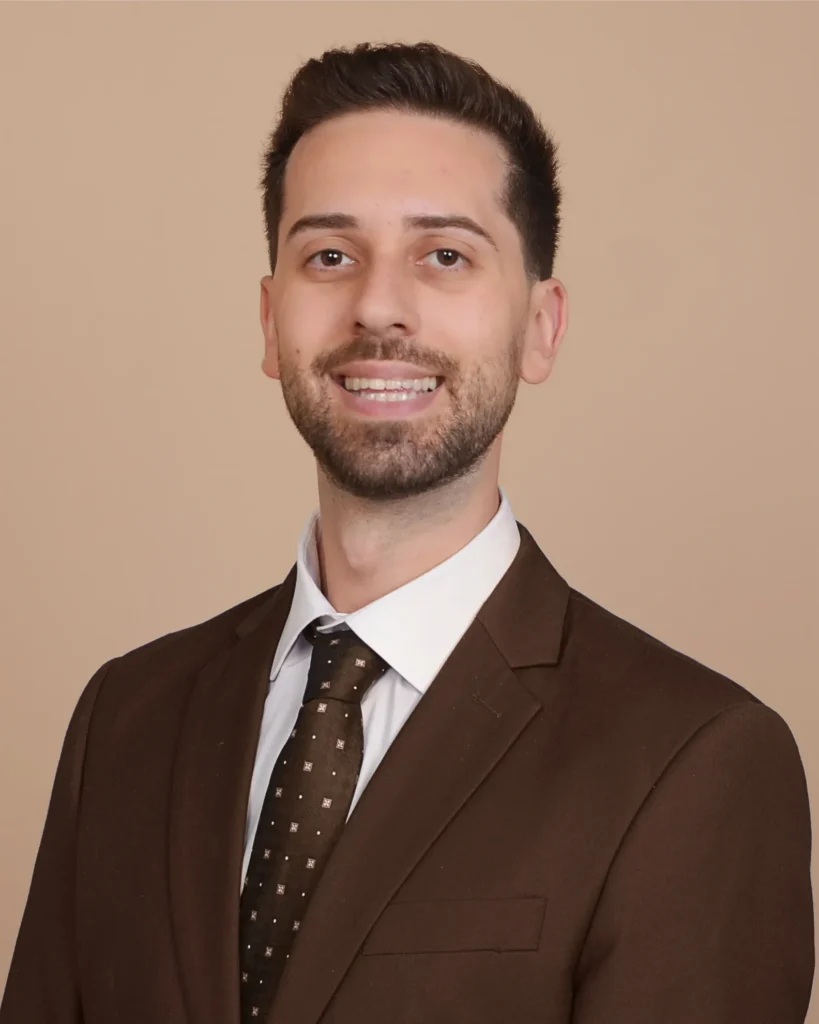
Care Guided by an IACMM-Accredited Optometrist
Dr. Sami Khaldieh holds accreditation from the International Academy of Myopia Management, an advanced international credential in myopia management and orthokeratology. Every child in our program is managed under that protocol.
That means a measured baseline, a treatment chosen for your child rather than a default, and scheduled reviews that show whether it is working.
What to expect
How the Program Works
Consultation
We review your child’s prescription history, family history, and how quickly things have been changing.
Measurement
Corneal mapping and eye-length measurement give us a baseline, so progression is tracked against real numbers.
Fitting
Your doctor recommends the treatment that fits your child, then fits and dispenses it with training for you both.
Follow-up
Scheduled reviews confirm the treatment is working, and let us adjust early rather than a year late.
When It Is Time to Talk About Myopia
The prescription keeps getting stronger
If each visit brings a bigger number, it may be time to discuss options beyond simply updating the lenses.
Distance looks blurry
Squinting, sitting closer to screens, or struggling to read the board can all mean nearsightedness is changing.
There is family history
Children with nearsighted parents have a higher chance of developing myopia and of it progressing further.
They are still growing
Myopia progresses most during childhood and the teenage years. That window is where careful monitoring makes the biggest difference.
What Families Say
Two Offices in Northern Virginia
Serving Herndon, Reston, Oakton, Vienna, and the greater Northern Virginia area
Herndon
2539 John Milton Drive
Herndon, VA 20171
| Monday | 9:00 AM – 6:00 PM |
|---|---|
| Tuesday | 10:00 AM – 7:00 PM |
| Wednesday | 10:00 AM – 7:00 PM |
| Thursday | 9:00 AM – 6:00 PM |
| Friday | 8:00 AM – 5:00 PM |
| Saturday | Closed |
| Sunday | Closed |
Oakton
2911 Hunter Mill Rd, Suite 101
Oakton, VA 22124
| Monday | 9:00 AM – 6:00 PM |
|---|---|
| Tuesday | 9:00 AM – 6:00 PM |
| Wednesday | Closed |
| Thursday | 9:00 AM – 6:00 PM |
| Friday | 8:00 AM – 5:00 PM |
| Saturday | Closed |
| Sunday | Closed |
Common Questions
Who is myopia management best for?
Children whose nearsightedness is developing or getting worse, especially when the prescription is changing quickly. The goal is not only clearer vision today, it is to help slow progression and protect long-term eye health.
At what age can my child start?
There is no single starting age. What matters more is how fast the prescription is changing and how much growing your child still has to do. Your doctor looks at both at the consultation and will tell you whether it is time to act or time to keep monitoring.
Does insurance cover myopia management?
Coverage varies between plans, and myopia management is often treated separately from a routine exam. Call us with your plan details and our team will check your benefits before you commit to anything.
Is it safe for a child to sleep in Ortho-K lenses?
Ortho-K lenses are designed to be worn overnight and are prescribed and fitted by your doctor. As with any contact lens, safe use depends on following the cleaning and wear instructions and keeping the scheduled follow-up visits. We walk you and your child through all of it at the fitting.
How soon will we see results?
Vision changes are usually noticeable quickly with Ortho-K, often within the first week. Slowing progression is measured over a longer horizon, which is why we take baseline measurements and re-measure at every follow-up rather than relying on how things feel.
How long will my child need myopia management?
Typically through the years when the eyes are still growing, into the late teens. Your doctor reviews progress at each visit and will tell you when it is reasonable to step down.
Which locations offer myopia management?
Both our Herndon and Oakton offices. Call the one closest to you and we will book the consultation.
Book a Myopia Consultation
Understand how your child’s eyes are changing, what the risk looks like, and which treatment options make sense for them.